

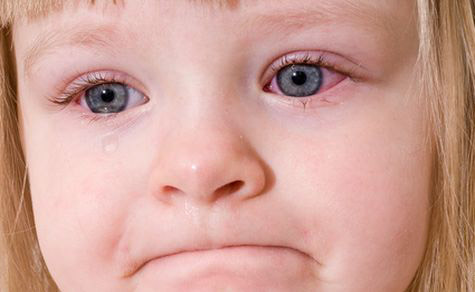

Pediatric Eye Infection (Conjunctivitis): Home Care, Safety Tips & When to See a Doctor
Eye infections are very common in children, and because many parents are asking similar questions, it is helpful to address everything clearly in one place.
This guide explains safe home care, important precautions, and when medical evaluation is necessary, from a pediatric point of view.
What Is a Pediatric Eye Infection?
Eye infections in children—commonly known as conjunctivitis or pink eye—cause redness, discharge, crusting, irritation, and discomfort.
Most cases are infectious and highly contagious, especially among siblings and school-going children.
How to Clean a Child’s Eyes Safely at Home
Proper eye hygiene is the most important first step.
Correct Cleaning Method
-
Wrap a clean malmal (soft cotton) cloth around your finger
-
Dip it in lukewarm water
-
Gently clean the eye from the inner corner (near the nose) outward
-
Use a different side of the cloth for the other eye
-
Wash the cloth thoroughly before the next use
Helpful Tip
Gently massaging the nose at the area closest to the eye can help improve drainage and comfort.
Managing Pain and Discomfort
-
Pain-relieving syrups (as advised by your pediatrician) can help reduce discomfort
-
Children may feel irritation, burning, or sensitivity to light during infection
Crusting and Eye Discharge: When to See a Doctor
If your child has:
-
Thick crusts
-
Yellow or green discharge
-
Eyes stuck shut after sleep
➡️ It is important to visit an ophthalmologist.
An eye examination will determine whether topical eye drops are needed.
Important Rules for Eye Drops (Very Important)
-
One medicine = one child only
-
❌ Never share eye drops between siblings
-
❌ Do not use Munni’s medicine for Chinku
-
Once the infection clears, discard the remaining eye drops
Sharing medication can spread infection and cause reinfection.
Is Eye Infection Contagious?
Yes. Pediatric eye infections are highly contagious.
-
Infectious period: 4–5 days before and after symptoms appear
-
Spread occurs through:
-
Hands
-
Towels
-
Handkerchiefs
-
Shared pillows or bedding
-
Prevention Tip
-
Use soft disposable tissues instead of handkerchiefs
-
Discard tissues immediately after use
-
Encourage frequent hand washing
Sunlight Sensitivity and Outdoor Care
Children with eye infections may experience light sensitivity.
-
When going outside, wearing sunglasses or shades can reduce discomfort
-
This also protects the eyes from irritation due to bright sunlight
How Long Does Eye Infection Last in Children?
Most uncomplicated eye infections:
-
Improve within 5–7 days
-
Clear completely with proper hygiene and treatment
If symptoms worsen or do not improve, medical review is necessary.
When Should You Seek Medical Help Urgently?
Visit a doctor immediately if your child has:
-
Severe pain
-
Swelling around the eyes
-
Difficulty opening the eye
-
Vision changes
-
Symptoms lasting beyond 7 days
Final Takeaway for Parents
Eye infections can look alarming, but with:
-
Correct cleaning
-
Strict hygiene
-
Proper medical guidance
Most children recover smoothly without complications.
Early care also helps prevent spread within the family.
Medically Reviewed By
Dr. Hala Mashhood – Pediatrician
This content is for educational purposes and does not replace in-person medical consultation.


Leave a Reply